Building Community Through Development
ULI Dallas-Fort Worth Celebrates the Second Year of the Small Scale Real Estate Development Summer Program
This summer, ULI Dallas-Fort Worth proudly completed the second year of the Small Scale Real Estate Development Summer Program, a unique partnership designed to equip aspiring developers, entrepreneurs, property owners, and community advocates with the tools needed to create meaningful, neighborhood-focused change. Made possible through the collaboration and leadership of Rik Adamski of Ash+Lime, Monte Anderson of Neighborhood Evolution (NEVO), and Mae De La Rosa of Commonwell Development, the program continues to grow as a pathway for individuals who want to learn how real estate development can strengthen communities, support local economies, and create lasting value. This year’s cohort welcomed 26 participants between the ages of 20 and 55, bringing together a diverse group of professionals, that shared a common goal: learning how to approach development in a way that prioritizes people, place, and long-term community impact.
Learning to Build More Than Buildings
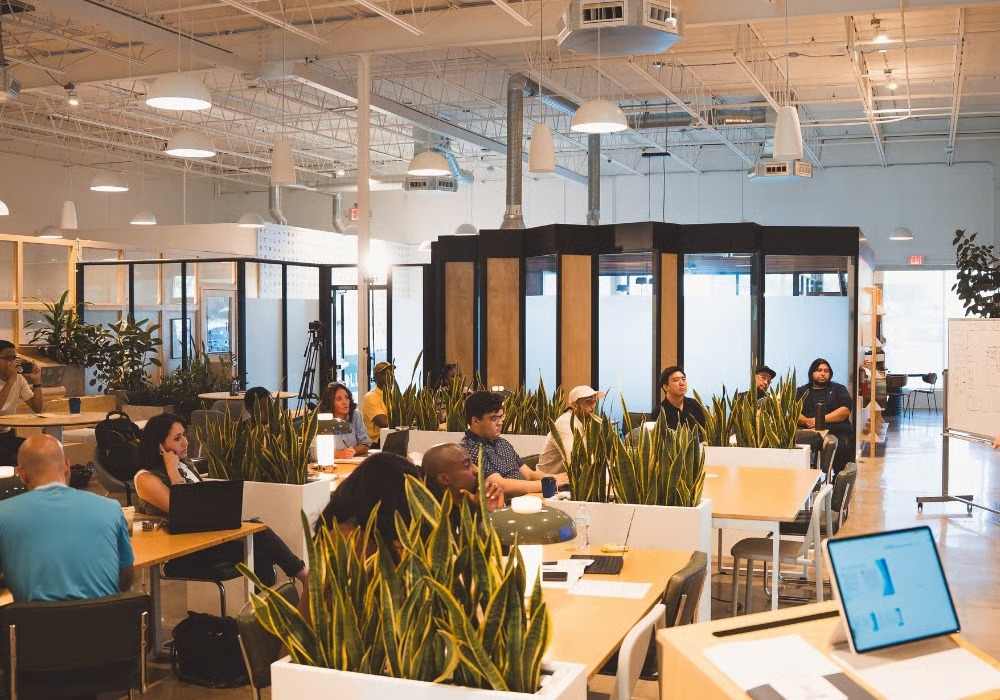
Led by award-winning developer Monte Anderson, the seven-week Saturday program offered a hands-on introduction to small-scale real estate development. Participants worked through real-world development concepts, from identifying opportunities in their neighborhoods and evaluating projects to understanding zoning, financing, due diligence, and community engagement. The curriculum was built around the principles outlined in the 12 Steps to Townmaking workbook, written by Monte Anderson and Bernice Radle, which emphasizes commitment to place, practical learning, and relationship-building throughout the development process. Unlike traditional real estate courses that focus solely on transactions and financial outcomes, the Small Scale Real Estate Development Summer Program encourages participants to think more deeply about the neighborhoods they serve and the long-term impact of their projects. By the end of the program, participants developed lender-ready project packages that included financial analyses, project concepts, budgets, due diligence research, and next-step implementation plans for real development opportunities.
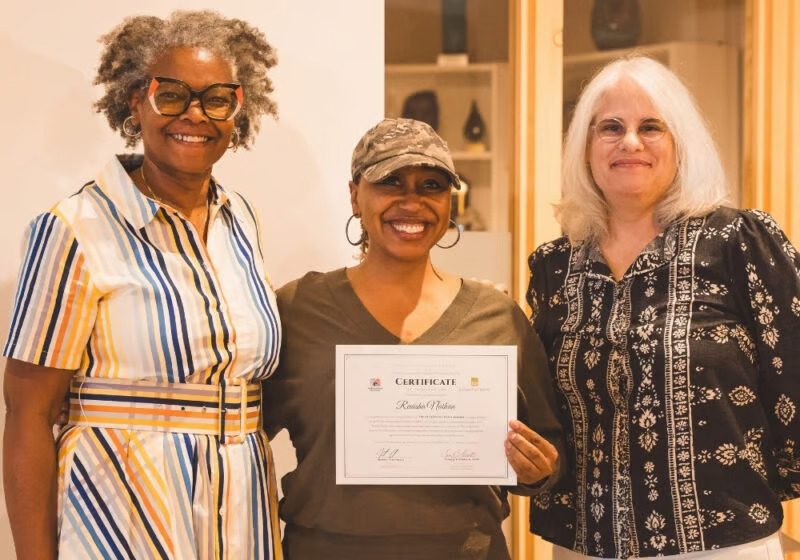
A Stronger Program in Its Second Year
For Mae De La Rosa, who participated in the inaugural cohort and returned this year as a facilitator, the second year of the program demonstrated just how impactful intentional support and relationship-building can be.
“I was part of the first cohort of Monte Anderson’s 12 Steps to Townmaking course last year. Returning this summer as a facilitator gave me the opportunity to experience the program from a completely different perspective.”
One of the most important elements of this year’s success, she noted, was the level of engagement participants received throughout the program.
“Critical to the success of this cohort was the level of personal attention we were able to provide. From weekly virtual office hours to visiting before and after class, and following up with each student in between… no one fell through the cracks.”
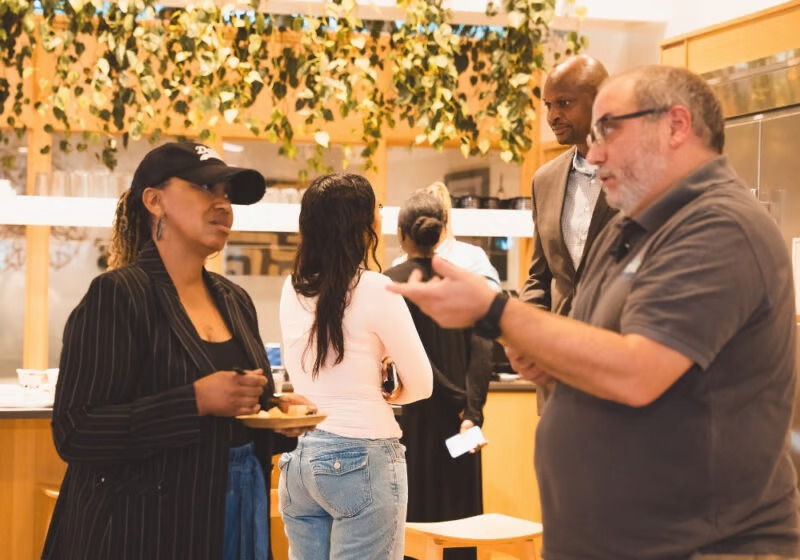
The 2026 program also expanded opportunities for participants to learn directly from professionals actively working in the industry. Each week featured guest speakers who brought expertise in finance, law, construction, lending, development, and community-building.
“Students heard directly from small-scale developers, attorneys, lenders, contractors, and other professionals who could speak to that particular part of the development process. The guest speakers brought different perspectives and real-world experience into the classroom, while also allowing students to build relationships and network after class.”
For De La Rosa, the most rewarding part was seeing participants embrace a broader vision for development.
“For me, the most rewarding part was watching the students begin to understand this very special approach to development, one that is about more than simply developing a property. It is about understanding the place, the people, and the community you are contributing to. By the end, they understood why we call ourselves ‘Townmakers.'”
From First-Time Learners to Future Developers
One of the program’s greatest strengths is its accessibility. Participants do not need prior development experience to succeed. Vincent Cavanna joined the program as a complete beginner.
“I took the Small Scale Real Estate Development Course as a complete beginner without any experience in the industry, and with very little knowledge about real estate development.”
What he found was a learning experience that extended far beyond the classroom.
“Monte did much more than just helping me understand as an outsider how the business worked. He had me working the steps myself, meeting leaders in the Dallas real estate scene, and demonstrated how real estate can be used for good.”
The experience gave him both knowledge and confidence.
“I surprised myself with how much I learned from this, and I can highly recommend it!”
For Krystal Brook Milazzo, the program transformed development from an abstract goal into something tangible and achievable.
“The 12 Steps of Townmaking provided me with a firm basis and really made the idea of becoming an incremental developer one that I could actually achieve, not just something far off.”
She especially valued the opportunity to learn from industry experts each week.
“During each of those seven weeks, every Saturday morning I looked forward to learning from specialists in the fields of law, finance, and ‘townmaking.'”
But the experience went beyond curriculum and guest lectures.
“The program became much more than just a series of instructions because of the office hours with Monte, discussing experiences with my classmates, and hearing what people who were already engaged in the work had to say.”
“I recommend it to anyone who cares about their town.”
Building Relationships Along the Way
For participant Renisha Nathan, the greatest takeaway was not simply learning how to put together a development deal, but finding a community of support and encouragement.
“When I signed up for ULI’s 12 Steps to Town Making, I expected to learn something about small-scale real estate development. What I actually walked away with was a group of people I now can’t imagine not knowing.”
As one of the newer professionals in commercial real estate, she quickly discovered that the cohort was invested in one another’s success.
“Somewhere between the first session and the exercises that followed, this stopped feeling like a class and started feeling like a room full of people rooting for each other to actually go build something.”
The final project challenged participants to assemble the complete package needed to pursue a real development opportunity, including lender-ready documentation and financing materials. Although her own project ultimately did not move forward, she says the lessons learned were invaluable.
“My own deal ended up falling through. But what I walked away with wasn’t the deal, it was the ‘how.’ That part stuck, and it’s mine now regardless of how any one deal goes.”
She also reflected on the tremendous effort invested by the instructors, facilitators, speakers, and organizers who made the program possible.
“Programs like this don’t happen by accident, and I felt every bit of the work that went into it.”
Looking back on the experience, her advice for future participants was simple:
“If you’ve ever looked at an underused block and thought ‘someone should do something with that,’ you will quickly find out that someone is probably you, and that you won’t be doing it alone. Take the course. Find out what your first step actually is.”
Looking Ahead
As ULI Dallas-Fort Worth celebrates the successful completion of the second year of the Small Scale Real Estate Development Summer Program, the results continue to demonstrate the value of development education rooted in community impact, mentorship, and practical experience. The partnership between ULI Dallas-Fort Worth, and Neighborhood Evolution (NEVO), supported by the leadership of Monte Anderson, Rik Adamski, and Mae De La Rosa, has created far more than a training program. It has created a growing network of individuals committed to making thoughtful investments in the places they care about most. Whether participants arrived with years of experience or no development background at all, they left with stronger skills, meaningful relationships, and a clearer path forward. Most importantly, they left with a better understanding that successful development is not just about buildings. It is about people, neighborhoods, and creating places where communities can thrive.